Substance Use and Disability: A Public Health Concern
Cortland County community members are aware that substance use is a critical public health issue locally and across the United States.
Cortland County community members are aware that substance use is a critical public health issue locally and across the United States. However, many people don’t know about the connection between substance use and disability.
According to data from the 2022 Community Health Assessment (CHA), people with disabilities in Cortland County are using all substances except alcohol at higher rates than their peers. They also experience increased consequences from that substance use and are less likely to receive related services and treatment. This issue is particularly severe among disabled youth. The 2023 Cortland Youth Survey reveals that disabled teens in the county are using all substances, except alcohol, at higher rates than their non-disabled peers. They face increased consequences from substance use and are less likely to receive the mental health care they seek. Disabled teens also face more bullying—whether at school, online, or elsewhere—compared to teens without disabilities. These factors, coupled with higher rates of abuse, significantly increase their risk of developing substance use disorders.
Understanding Ableism and Its Impact on Disabled Individuals in Cortland County
Ableism is the discrimination and prejudice against individuals with disabilities. It manifests in various forms—ranging from denying access to buildings and services, to overlooking the needs of disabled individuals, to treating them with condescension. Ableist language can also be particularly harmful, perpetuating negative stereotypes and further marginalizing people with disabilities. The consequences of ableism are profound, often limiting opportunities and preventing individuals from fully participating in society. This exclusion frequently leads to feelings of isolation, low self-esteem, and poorer overall health and well-being.
Physical barriers further compound these challenges. Inadequate accessibility in buildings and public spaces often makes it difficult for disabled individuals to participate in social activities and engage with others, leading to increased social isolation. This isolation can have serious negative effects on both mental and physical health. People with disabilities are at a higher risk of experiencing abuse, which further elevates their likelihood of substance use and the development of substance use disorders.
The Role of Family Dynamics and Support
Family support is crucial at all life stages, but for individuals with disabilities, family dynamics can sometimes be strained by the additional challenges that disabilities may bring. This strain doesn’t typically stem from direct hostility but rather from the increased demands placed on families in terms of time, work, and financial resources. Managing these needs can create tension within the family, potentially leading to less effective support for the disabled individual.
Addressing these issues is essential without reinforcing feelings of burden among disabled individuals, who may already be sensitive to the challenges their needs pose to their families.
The Need for Inclusive Prevention Services
Disabilities affect how people see, hear, move, and think. While some disabilities are visible, others—like ADHD, anxiety, and chronic illness—aren’t always apparent. It’s important to note that disability itself is not a risk factor for substance use. However, the stress from experiencing systemic ableism, combined with a lack of appropriate services and supports, plays a significant role in increasing a person’s likelihood of using substances.
Prevention services are a vital part of the solution when addressing substance use among people with disabilities. Unfortunately, traditional prevention programming is often inaccessible and rarely developed with the needs of disabled individuals in mind. This is where CANDLE – a community coalition housed at Access To Independence – plays a crucial role, offering prevention services that are accessible and inclusive, ensuring that the needs of disabled individuals are met.
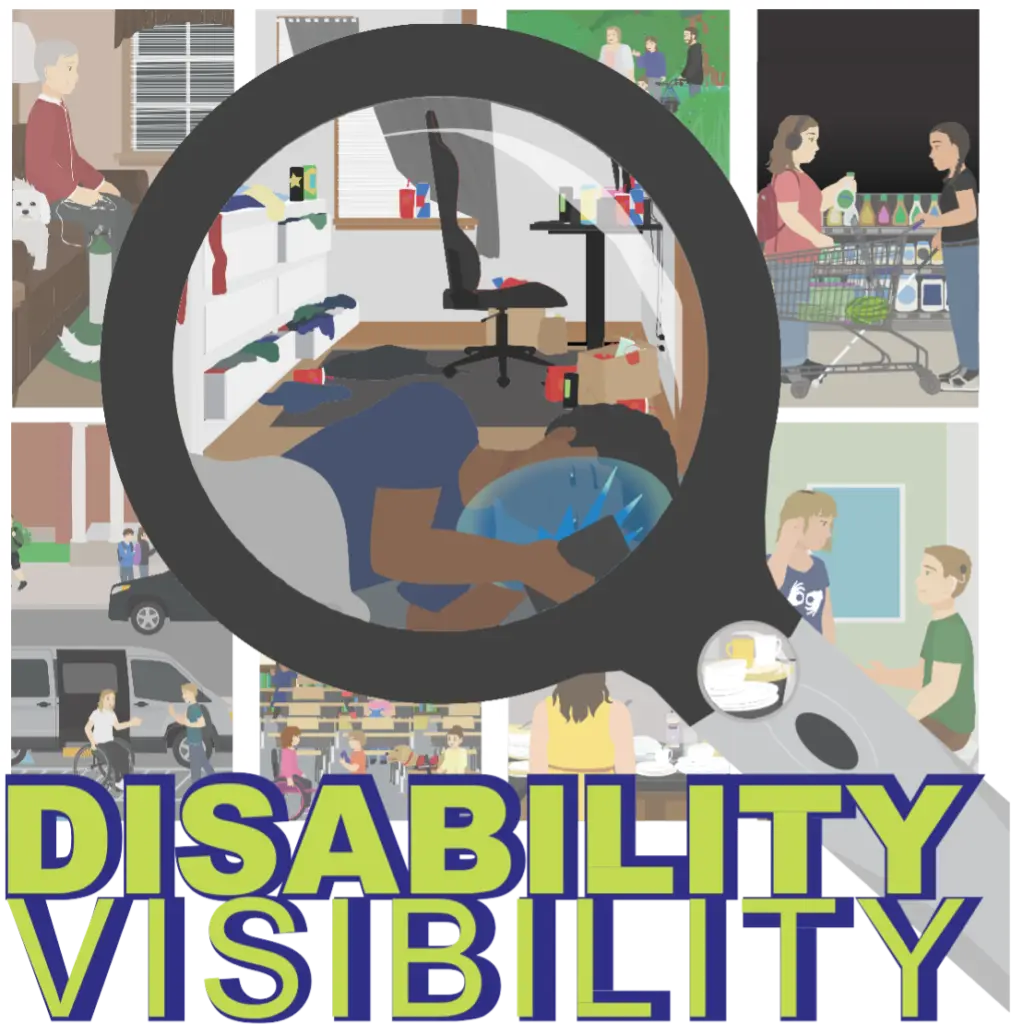
IMAGE ID: A magnifying glass highlights a young man laying in bed on his phone, the room behind him is cluttered with dirty clothes, loose energy drink cans and takeout. The rest of the image has a grid of people with different disabilities and their aids, including: a child with an Allergen Detection Dog, an older man with an oxygen tank, a young man with a cochlear implant talking to his doctor while using an interpreter, and two best friends food shopping together one has a cane and the other headphones.